TRT Clinic La Jolla: A Guide to Safe and Effective Therapy
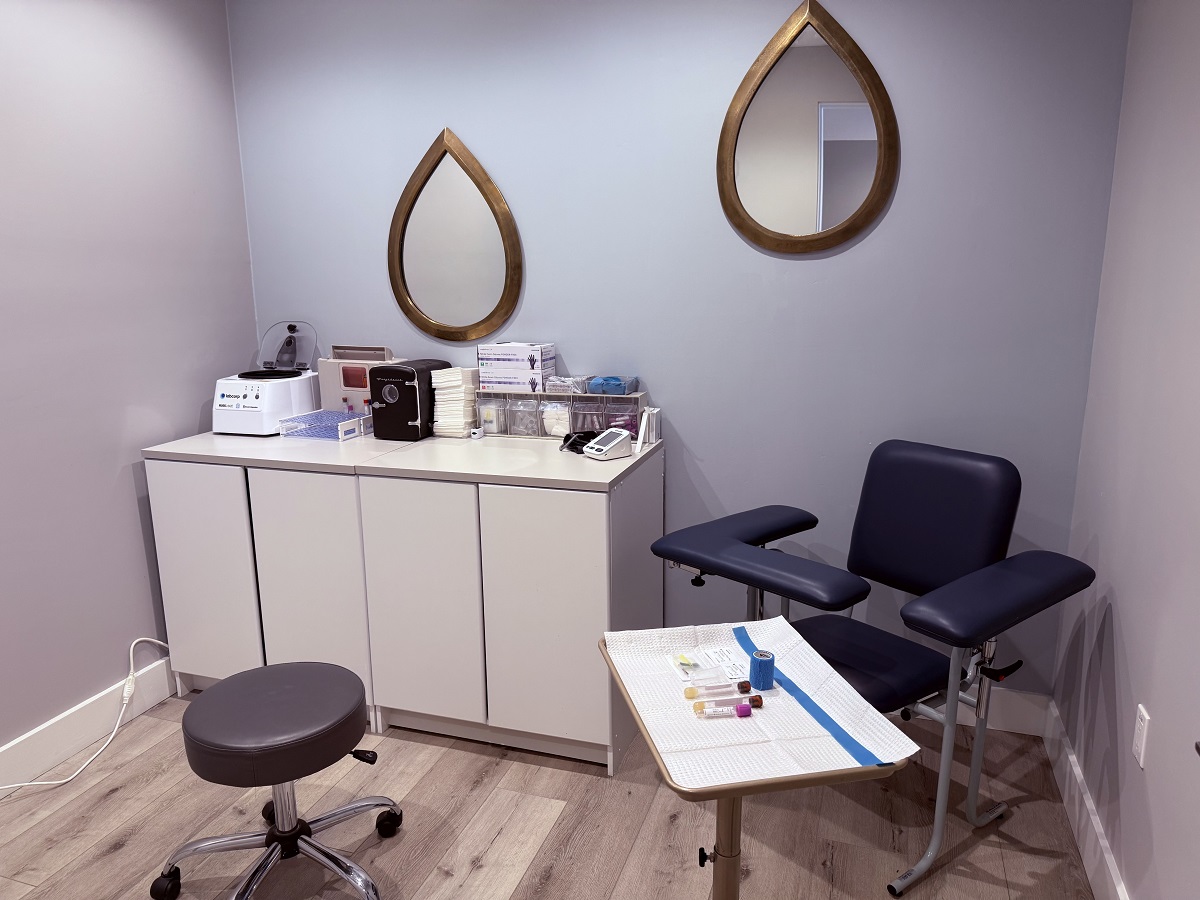

Testosterone replacement therapy can help the right patient trt clinic La Jolla feel more like himself again. It can also be oversold, rushed, or managed so casually that preventable problems follow. That tension matters in a place like La Jolla, where patients are often health-conscious, busy, and surrounded by clinics that promise optimization, vitality, and fast results. A good trt clinic La Jolla should offer more than a sales pitch. It should deliver careful diagnosis, thoughtful prescribing, steady monitoring, and a realistic conversation about what therapy can and cannot do.
TRT is not a shortcut to peak performance. It is a medical treatment for men with signs and symptoms of testosterone deficiency, backed by laboratory evidence and a clinical evaluation that rules out other causes. When therapy is appropriate and monitored well, men often report improved energy, better libido, stronger morning erections, improved mood, and in some cases better body composition or exercise recovery. When therapy is prescribed too freely, or managed without proper follow-up, patients can run into elevated hematocrit, acne, fertility problems, worsening sleep apnea, fluid retention, or simply disappointing results because low testosterone was never the main issue.
The difference between those two paths usually comes down to how the clinic practices medicine.
Why men seek TRT in the first place
Most men do not walk into a clinic saying, "I want testosterone because my number is low." They come in because something feels off. A man in his early forties may notice that he is sleeping enough but still dragging through the workday. Another may say his workouts have become flat, his libido has dropped, and his mental sharpness is not what it was two years ago. Someone else may be frustrated by stubborn fat gain, lower motivation, and erectile changes that seem out of character.
Those symptoms can be related to low testosterone, but they can also point to sleep deprivation, obstructive sleep apnea, excessive alcohol use, chronic stress, depression, thyroid disease, medication side effects, overtraining, or poor nutrition. That is why a careful clinic does not treat a lab value in isolation. It looks at the whole picture.
Normal testosterone also varies. Age matters. So does time of day, body fat, recent illness, sleep quality, and the lab method used. A single borderline result, especially if drawn in the afternoon or after a rough week of poor sleep, should not trigger lifelong treatment. Good medicine starts slower than marketing does.
What a reputable clinic should do before writing a prescription
A quality evaluation is not glamorous, but it is where most of the value lives. The first visit should cover symptoms in detail, medical history, medications, alcohol and substance use, sleep quality, exercise patterns, fertility goals, and a focused physical exam. That may sound basic, yet it is often skipped when a clinic is built around volume.
Lab testing should also be thoughtful. A clinic that checks only total testosterone is leaving out useful context. Hormones do not operate in a vacuum, and a low number can have different explanations. If a patient has low testosterone because of pituitary signaling issues, obesity-related suppression, recent illness, or certain medications, the treatment approach may differ.
A strong baseline workup often includes the following:
- Morning total testosterone, ideally on two separate days when the patient is not acutely ill
- Free testosterone or a reasonable assessment of bioavailable hormone when sex hormone-binding globulin may be affecting interpretation
- LH and FSH to help distinguish primary from secondary hypogonadism
- CBC, CMP, PSA when appropriate, estradiol, and often thyroid studies
- A conversation about fertility, sleep apnea risk, and cardiovascular history before therapy begins
That set of data does not answer every question, but it helps prevent common mistakes. One of the most common is starting TRT in a man whose real issue is untreated sleep apnea. He may feel a temporary bump in drive, then continue struggling because the root problem was never addressed. Another is prescribing testosterone to a younger man who hopes to have children soon, without explaining that TRT can suppress sperm production and make conception harder.
The diagnosis is not the same as the number
This point is worth slowing down for because it trips up many patients. Testosterone deficiency is a clinical diagnosis supported by labs, not a scoreboard competition. Men often arrive with a printout from a broad wellness panel, fixated on a number that falls in the low-normal range. Some truly are symptomatic and appropriate for treatment. Others are chasing an idealized hormone target that may have little to do with how they feel.
Labs should be interpreted in context. Total testosterone can look lower in men carrying excess body fat because sex hormone-binding globulin shifts. Free testosterone may tell a different story. On the other hand, a man with normal total testosterone and classic symptoms may need evaluation for thyroid dysfunction, anemia, depression, medication effects, or poor sleep rather than testosterone injections.
This is where experienced clinical judgment matters. The right question is not, "Can I get prescribed TRT?" It is, "What explains my symptoms, and what treatment makes sense after a proper workup?"
Treatment options you are likely to encounter
Most patients in a trt clinic La Jolla setting will hear about injections first, and for good reason. Injectable testosterone is widely used, generally effective, and often more predictable than topical options. Still, it is not the only route, and each method brings trade-offs.
Intramuscular or subcutaneous injections are common. Some men do well on weekly dosing. Others feel better splitting the dose into smaller, more frequent injections to reduce the highs and lows they notice near the end of the week. The specific plan depends on symptoms, labs, side effects, and patient preference. In practice, many men tolerate subcutaneous self-injections better than they expect, especially when taught properly and started on a sensible schedule.
Topical gels or creams appeal to men who dislike needles. They can work well, but absorption varies more from person to person. There is also the issue of transfer risk to partners or children if the application area is not covered and handled carefully. Some men love the convenience. Others get frustrated when levels drift or the routine becomes cumbersome.
Pellets are another option in some clinics. They can offer longer intervals between procedures, but dosing is less nimble. If side effects develop or the dose is not quite right, you cannot easily reverse course the way you can with injections or topical therapy.
Oral testosterone exists as well, though not every clinic uses it, and it requires a specific discussion about suitability, cost, and monitoring.
A good physician does not claim that one method is universally best. He or she matches the route to the patient. A 35-year-old frequent traveler, a 62-year-old retiree, and a 48-year-old man with needle anxiety may all end up on different plans.
What safe TRT management looks like after the first prescription
Starting therapy is the beginning of management, not the end of it. The first few months matter because this is when dose adjustments and side effect monitoring usually happen. A clinic that writes a prescription and tells you to come back in a year is not practicing careful hormone medicine.
Patients should know that improvement often unfolds over time. Libido and energy may shift within weeks for some men. Body composition and strength changes tend to take longer, especially if sleep, diet, and training are inconsistent. Mood changes can be subtle. Erectile function may improve, but TRT is not a guaranteed cure for every sexual symptom, particularly when vascular health, anxiety, relationship stress, or diabetes are also involved.
Monitoring should include symptom review and repeat labs at sensible intervals. Clinicians often watch hematocrit closely because testosterone can stimulate red blood cell production. Some rise is manageable. Too much can become a safety issue. Estradiol may also rise in some men, though this is an area where overreaction causes problems. Treating every lab fluctuation instead of the patient often creates more side effects than it solves.
At follow-up, a clinician should be asking practical questions. Is energy better throughout the day, or only for 24 hours after the injection? Is libido improved but mood unchanged? Has the patient developed acne, swelling, irritability, or sleep problems? Are blood pressures creeping up? Has snoring worsened? Those details shape the plan far more than a single number on a lab report.
Red flags that suggest a clinic is not practicing carefully
Patients often assume all TRT clinics operate with similar standards. They do not. Some are excellent. Others function more like retail funnels.
Watch for these warning signs:
- You are offered testosterone after one brief visit without repeat morning labs or a fuller workup
- The clinic guarantees dramatic muscle gain, fat loss, or sexual performance improvements
- Fertility is brushed off, especially in younger men
- Follow-up labs are vague, infrequent, or treated as optional
- Every side effect is met with another medication rather than a reassessment of dose and strategy
There is a pattern to poor care. It tends to move fast, sound confident, and gloss over trade-offs. One common example is the clinic that starts a patient on a relatively aggressive dose, then stacks on an aromatase inhibitor at the first sign of estradiol movement, then adds another agent when the patient reports mood changes or libido instability. Before long, the patient is managing a chemistry experiment rather than following a clean, evidence-based treatment plan.
Experienced physicians usually prefer the opposite. Start with a reasonable dose, observe carefully, and adjust with restraint.
Fertility deserves an honest conversation
This topic is often neglected, especially in men under 45. TRT can suppress the body’s own testosterone production inside the testes and reduce sperm production, sometimes significantly. That does not mean every man on TRT becomes infertile, but it does mean the risk is real and should be discussed clearly before treatment begins.
For a man who wants children in the near future, the conversation may shift toward alternatives or adjunctive strategies rather than straightforward replacement. In actual practice, this is one of the clearest markers of a good clinic. If the provider asks about future family plans before prescribing, that is a good sign. If the question never comes up, be cautious.
The same goes for baseline semen analysis in selected cases. Not every patient needs it, but for someone actively planning a pregnancy, it can provide useful information before therapy changes the picture.
TRT is not a substitute for fixing the basics
Some men expect testosterone to rescue them from habits that would flatten almost anyone. Five hours of sleep, heavy drinking on weekends, highly processed food, minimal resistance training, and constant work stress will blunt results no matter how polished the clinic feels.
This is where a practical doctor is often more valuable than a flashy one. He might tell a patient, politely but directly, that losing 20 pounds, treating sleep apnea, and lifting consistently three days a week may improve symptoms enough to avoid TRT or, at minimum, make the treatment safer and more effective. That is not anti-TRT. It is good medicine.
I have seen cases where modest lifestyle changes shifted borderline testosterone upward and improved symptoms enough that therapy became unnecessary. I have also seen men with genuinely low levels who did much better on TRT once they stopped assuming the prescription would do all the work. Hormones influence the system, but they do not overrule physiology.
Questions worth asking during your first consultation
A patient does not need to become an endocrinologist overnight, but a few smart questions reveal a lot about the clinic’s standards. Ask how many blood tests are used to confirm the diagnosis. Ask what symptoms matter most in deciding whether treatment makes sense. Ask how the clinic handles fertility concerns. Ask how often they repeat labs during the first year. Ask what they do when hematocrit rises or when a patient feels worse instead of better.
The answers should sound measured, not theatrical. Good clinicians usually explain uncertainty well. They will tell you that some men feel much better and some feel only modest improvement. They will explain that finding the right dose may take time. They will also say plainly when TRT is not the best next step.
That tone matters. Medicine should feel like decision-making, not persuasion.
Cost, convenience, and the reality of ongoing care
Practical issues often shape whether treatment remains sustainable. TRT is not just the cost of the initial visit or the vial of medication. There are follow-up appointments, lab testing, syringes or application supplies, and sometimes pharmacy pricing differences that surprise patients. A clinic in La Jolla may offer concierge-level service, but patients should understand what they are paying for.
Convenience also matters. A patient who travels often may struggle with a plan that requires frequent in-office visits. Someone with a packed work schedule may do better with home injections and remote check-ins, provided monitoring is still done properly. Another patient may prefer in-person follow-up because it keeps him consistent.
There is no single right format, but there should be transparency. If the clinic bundles medications, visits, and labs into a monthly fee, ask what is actually included. If services are billed separately, ask how often labs are expected and what additional medications, if any, are commonly prescribed. Vague pricing often leads to frustration later.
How results should be judged
The best outcomes are not measured only by a lab report. They show up in a man’s ordinary week. He gets through the afternoon without crashing. His training feels productive again. He notices more consistent sexual function. He is less irritable, more motivated, and less foggy. Those changes are often more meaningful than moving a lab value from one part of the reference range to another.
At the same time, expectations should stay grounded. TRT does not turn a 52-year-old into his 25-year-old self. It does not erase years of poor sleep or magically produce abs. Some men respond strongly, some modestly, and some not much at all sdbody.com trt clinic La Jolla because their original symptoms had other causes. That is not treatment failure so much as diagnostic reality.
This is another reason a careful trt clinic La Jolla should be selective. Saying no to the wrong patient is part of doing right by the right one.
Special considerations for older men
Older patients often benefit from a more nuanced discussion. Age itself is not a reason to avoid TRT, but the balance of benefit and risk may shift depending on prostate history, cardiovascular disease, untreated sleep apnea, urinary symptoms, and overall frailty. A 68-year-old man with clear symptoms, repeatedly low levels, and thoughtful monitoring may do quite well. A similar-aged man with uncontrolled hypertension, severe snoring, and rising hematocrit may need a more cautious path.
This is where coordination with a primary care physician or specialist can be helpful. Good hormone management should not live in a silo. If a patient has diabetes, coronary disease, or complex medication issues, communication matters.
Why local expertise can make a difference
Choosing a local clinic is not just about convenience. It can affect the quality of continuity. When follow-up is nearby, patients are more likely to complete labs on time, keep appointments, and discuss subtle side effects before they become larger problems. Local clinicians may also be better positioned to coordinate with your primary doctor, cardiologist, urologist, or sleep specialist if needed.
In a health-focused community like La Jolla, many men are already exercising, tracking sleep, and paying attention to nutrition. That can be an advantage because they often notice changes quickly and engage well with monitoring. It can also be a trap if they are too focused on optimization culture and not focused enough on diagnosis. The best local clinics strike the balance. They respect performance goals without reducing medicine to a performance product.
The standard to look for
If you are evaluating a TRT clinic, the standard is not whether the website looks polished or the staff sounds enthusiastic. The real standard is whether the clinic behaves like a medical practice that takes hormone therapy seriously. That means confirming the diagnosis carefully, discussing alternatives, reviewing fertility and long-term monitoring, choosing a treatment route that fits the patient, and adjusting the plan with patience rather than reflex.
For the right patient, testosterone therapy can be genuinely helpful. Energy can return. Libido can improve. Training may feel productive again. Mood and confidence often lift when symptoms ease. Those benefits are real. So are the risks of casual prescribing.
A strong trt clinic La Jolla should help patients navigate both sides of that equation with honesty. That is what safe and effective therapy looks like.
SDBody La Jolla
7710 Fay Ave, La Jolla, CA 92037
+1 858-401-2383
FAQ About trt clinic La Jolla
How much should my TRT cost?
TRT costs depend on the clinical evaluation, medication, laboratory testing, and follow-up plan. Ask for an itemized estimate that includes the initial visit and ongoing monitoring. SDBody La Jolla can explain its current fees after discussing the services being considered.
Will Insurance Pay for TRT in La Jolla?
Coverage depends on your plan, diagnosis, prescribed treatment, and provider network. Ask your insurer about medical necessity requirements, prior authorization, laboratory coverage, and out-of-pocket costs. Confirm SDBody La Jolla's billing arrangements directly; insurance payment is not guaranteed.
Is TRT safer than steroids?
Testosterone is itself an anabolic steroid. Clinician-prescribed replacement for confirmed testosterone deficiency differs from nonmedical steroid use, but it still carries risks and requires monitoring. Possible concerns include increased red blood cell levels and reduced sperm production. Discuss your medical history and fertility goals with a qualified clinician before considering treatment.