How to Choose Between Clinics Offering TRT Replacement Therapy Near Me
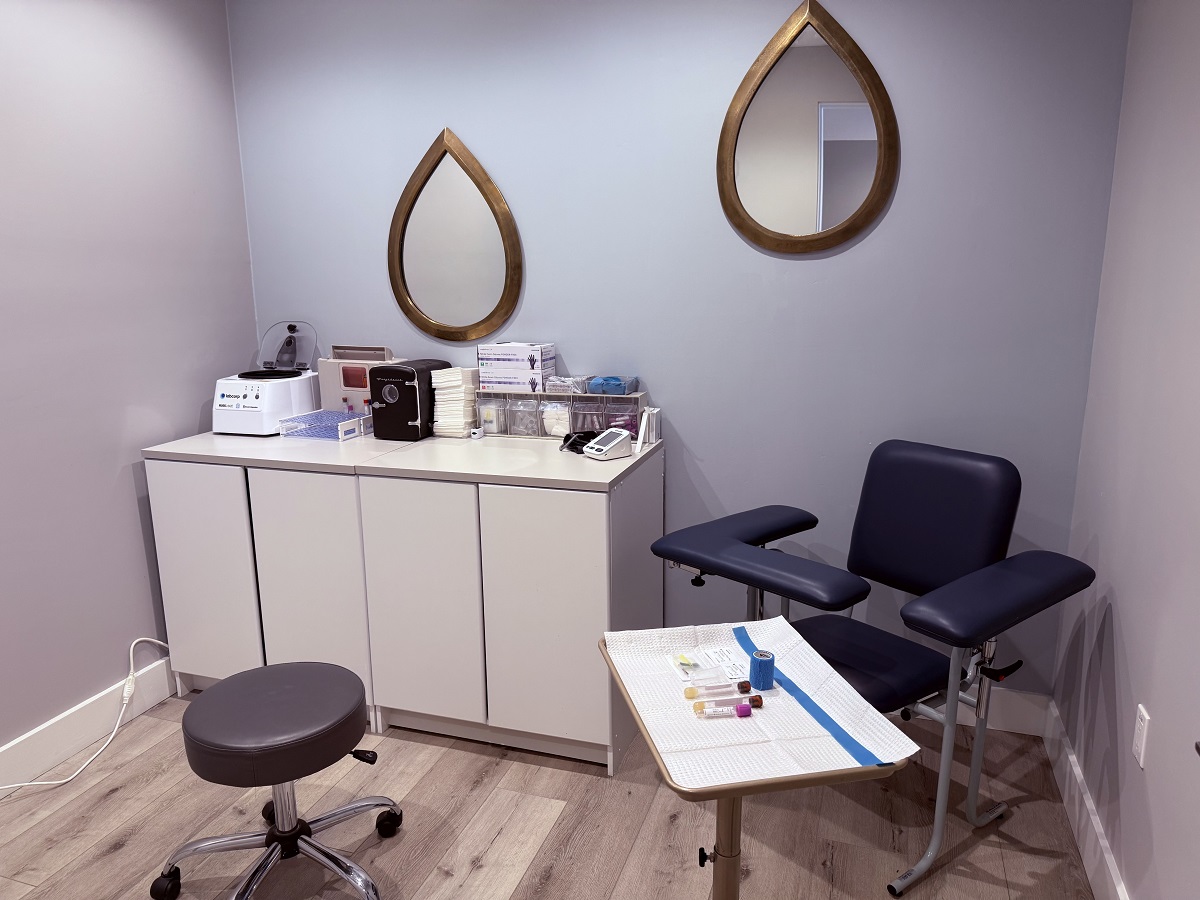
Searching for Trt replacement therapy near me often starts the same way. A man feels off for months, sometimes years. Energy drops. Recovery after workouts takes longer. Sex drive slips. Mood flattens out. He finally gets tired of guessing, opens a search engine, and finds a long list of clinics promising fast answers, streamlined treatment, and a better version of life. The problem is that testosterone replacement therapy is not a haircut or a routine urgent care visit. The quality of the clinic matters, and the differences between providers are often bigger than the websites suggest.
Some clinics practice careful medicine. Others lean hard on marketing, subscription models, and broad promises. Most sit somewhere in between. If you are choosing between local TRT clinics, the smartest approach is not to ask which one is cheapest or which one can write a prescription fastest. The better question is which clinic can evaluate you properly, explain the trade-offs clearly, and manage treatment safely over time.
That distinction matters because TRT is rarely a one-appointment decision. It is an ongoing medical relationship. Dosing changes. Symptoms evolve. Lab values shift. Fertility concerns can become important later, even if they are not top of mind today. A clinic that handles these realities well will save you trouble, money, and avoidable side effects.
Start with the clinic’s medical process, not its branding
A polished website tells you almost nothing about the quality of care. A clinic can have sleek branding, easy online booking, and glowing testimonials while still taking shortcuts. What you want to know is how the clinic makes decisions.
A solid TRT clinic usually begins with a full symptom review, medical history, medication review, and baseline lab work. That sounds obvious, but many men are surprised by how inconsistent this is from one office to another. One provider may insist on repeat morning testosterone testing and a broader hormone panel before discussing treatment. Another may sound ready to start therapy after a short phone consult and a single lab draw. Those are not equivalent standards.
Good clinics understand that low testosterone symptoms are real, but they also know those symptoms overlap with sleep apnea, depression, thyroid issues, obesity, chronic stress, overtraining, poor sleep, diabetes, and certain medications. If a clinic acts as though every tired, low-libido patient automatically needs testosterone, that is a warning sign. Careful medicine requires ruling out nearby explanations before settling on lifelong hormone therapy.
In practice, this means asking how the clinic diagnoses low testosterone. Do they rely on symptoms alone? Do they confirm with repeat morning labs when appropriate? Do they look at related markers such as LH, FSH, estradiol, CBC, CMP, PSA when indicated, and possibly thyroid markers depending on the Trt replacement therapy near me case? The exact lab panel varies by age, history, and provider preference, but the bigger issue is whether the clinic is thinking broadly or just moving patients into treatment.
The best clinics are cautious without being dismissive
There is a balance here that experienced clinicians learn over time. Men seeking TRT often arrive frustrated. Some have been told for years that they are fine despite feeling noticeably different from their usual selves. Others have total testosterone levels in a borderline range and symptoms that clearly affect work, relationships, and training. A good clinic does not brush this off. At the same time, it does not promise a miracle based on one number.
That balance shows up in the conversation. The provider should be able to explain why your symptoms may or may not be linked to testosterone, what TRT can realistically improve, and what it probably will not fix. Patients who hear only upside should be skeptical. Testosterone therapy can improve energy, libido, body composition, and sense of well-being in the right patient. It can also raise hematocrit, affect fertility, worsen acne, trigger fluid retention, and require regular monitoring. It is treatment, not magic.
I have seen men choose clinics based purely on speed, then switch six months later because no one explained why their hematocrit climbed or why their fertility became an issue when they started trying for a child. Those are preventable problems when the clinic takes time up front.
Ask who is actually managing your care
Not every clinic that offers TRT has the same medical infrastructure. Some are physician-led practices with strong follow-up systems. Some rely heavily on midlevel providers, which can still be perfectly appropriate when supervision is solid and protocols are thoughtful. Others feel more like retail Trt replacement therapy near me operations wrapped around recurring subscriptions.
What matters most is not the letters after someone’s name alone. It is whether the provider evaluating you has experience with hormone therapy and enough time to make individualized decisions. You want a clinician who can explain why they prefer a certain dosing schedule, how they handle elevated estradiol symptoms, when they adjust dose versus frequency, and how they respond if labs and symptoms do not line up neatly.
If you ask a few direct questions, the differences become obvious quickly. Some clinics can explain their approach in plain language. Others become vague the moment you move beyond sales questions.
Here are five questions worth asking before you commit:
- How do you confirm that I am an appropriate candidate for TRT?
- Which baseline labs do you require before treatment?
- How often will you repeat labs and follow up after I start?
- Who reviews my results and adjusts my dose if problems come up?
- How do you handle fertility concerns, high hematocrit, or side effects?
You do not need a provider who agrees with every preference you have. You do need one who can answer clearly and without defensiveness.
Beware of one-size-fits-all protocols
Some of the worst TRT experiences come from clinics that treat every patient as if he fits the same template. Fixed-dose plans can sound convenient, especially to someone who just wants to feel better and get started. In reality, testosterone response varies a lot. Age, body fat, baseline hormone levels, SHBG, liver metabolism, training habits, sleep quality, and other factors all influence how a patient feels and what his labs show.
One patient may do well on a lower weekly dose split into two injections. Another may feel better with a different frequency. Some tolerate topical formulations well, while others prefer injections for stability, cost, or convenience. There is no universal best option. There is only the best option for a given patient at a given time.
This is where clinic quality shows. If the clinic forces every patient into the same protocol, or if it automatically bundles add-ons that may not be needed, pause before signing up. Medicine should not feel like a preset package. It should feel adapted to your case.
That same caution applies to clinics that aggressively prescribe ancillaries from day one. Some patients do need extra medications, but many do not. A clinic that reflexively puts every man on several supporting drugs before seeing how he responds may be solving problems that have not happened yet. That is not always thoughtful care. Sometimes it is just protocol-driven revenue.
Pricing matters, but the cheapest option often costs more later
TRT pricing can be hard to compare because clinics package care differently. One may quote a low monthly fee but charge separately for labs, visits, medication shipping, injection supplies, and follow-up consults. Another may seem expensive at first glance but include labs, monitoring, and dose adjustments in a transparent membership.
The answer is not always to avoid membership models. Some are organized well and genuinely convenient. The key is understanding exactly what you are paying for. A clinic that charges more but provides careful monitoring, responsive follow-up, and straightforward access to a real clinician may offer better value than a bargain clinic that leaves you chasing answers when your numbers drift.
A useful way to compare clinics is to ask for a realistic first-year cost, not just a monthly teaser rate. That first year often includes initial consultation, baseline labs, treatment start, repeat labs, follow-up appointments, and potential dose changes. The monthly fee alone rarely tells the full story.
Patients also forget to factor in the cost of poor management. If a clinic under-monitors you and you develop avoidable issues, the downstream cost can be much higher than the money saved up front. Time away from work, repeat outside labs, second opinions, and treatment interruptions all add up.
Local convenience should not outrank medical quality
People searching Trt replacement therapy near me often place location near the top of the list. That makes sense. If you need routine lab work, follow-up visits, or in-office injections, convenience matters. A nearby clinic also feels more tangible than an online provider several states away.
Still, location should be a tiebreaker, not the main criterion. A mediocre clinic ten minutes away is not necessarily better than a stronger clinic thirty or forty minutes away, especially if follow-ups are spaced out and many check-ins can be handled virtually. The best setup is often a hybrid model, local enough for practical access but structured enough to provide real continuity.
If you are comparing two local clinics, pay attention to logistics that affect real life. How quickly can you get a response if you have a side effect? How are labs handled? Do they coordinate with a local draw center? Are appointments easy to schedule, or do patients wait weeks for routine questions? A clinic can be geographically close and still function poorly.
The consultation should feel like medicine, not a sales call
This point is easy to miss when you are eager for help. A strong initial consultation usually leaves you feeling informed, not rushed. The provider asks specific questions, looks for patterns, and explains uncertainty where it exists. They do not need to sound dramatic. In fact, the calmer and clearer the conversation, the better.
A weak consultation often has a different tone. The focus shifts quickly to enrollment, monthly plans, and treatment start dates. Side effects get brushed past. Fertility may be mentioned only if you bring it up. The provider may use confident language without doing much real evaluation. For a patient who has felt ignored elsewhere, that confidence can be seductive. It can also be a trap.
One detail that experienced patients notice is whether the clinic welcomes nuance. Not every borderline lab with symptoms means immediate TRT. Not every low total testosterone result in a man with obesity means the same thing as low testosterone in a lean man with pituitary dysfunction. Not every symptom improves at the same pace. Good clinics talk this way because real cases are messy. Sales-first clinics prefer simple stories.
Pay attention to follow-up philosophy
TRT is not hard only at the start. It becomes tricky during the months after initiation, when symptoms and labs begin to move. That is why follow-up systems matter so much. A clinic that is attentive at the beginning but disorganized after you sign up is not a good clinic.
Ask what the first six to twelve months usually look like. How soon do they repeat labs after starting? What prompts a dose change? How do they decide whether a symptom is from testosterone level, estradiol shifts, sleep quality, stress, or something else? There is no single perfect answer, but the clinic should have a consistent framework.
You also want to know whether they treat lab numbers in isolation. Some clinics chase values too aggressively. Others ignore symptoms if the numbers look acceptable on paper. The better approach combines both. A patient with decent labs but clear side effects still needs thoughtful attention. A patient who feels good but develops concerning lab changes also needs intervention. Management is not just math.
Fertility deserves a direct conversation
This issue gets overlooked far too often. Testosterone therapy can reduce sperm production, sometimes significantly. Men in their twenties and thirties are not the only ones who should care. Family planning changes. Life circumstances change. A patient who says he is done having children at thirty-five may feel differently at forty.
That does not mean every man should avoid TRT. It means every clinic should address fertility plainly before treatment begins. If a clinic seems casual about this topic, that is a serious concern. The right plan depends on your goals, age, baseline fertility, and timeline, but what matters in the selection process is whether the clinic takes it seriously enough to discuss before you start.
I have heard from more than one patient who said, months into treatment, "I wish someone had made that clearer." That sentence alone tells you how uneven the quality is across the TRT market.
Red flags that are hard to ignore
You do not need to expect perfection from a clinic. Medicine always includes some uncertainty, and even excellent providers differ in style. But certain patterns should make you stop and reconsider.
- They are ready to prescribe after minimal history and one limited lab review.
- They promise dramatic results or use language that sounds more like fitness marketing than medical guidance.
- They cannot explain side effects, monitoring intervals, or how dose adjustments are made.
- They push add-on medications automatically, without a patient-specific reason.
- They are vague about total cost, refill policies, or who you contact when problems arise.
A single red flag might reflect poor communication on one day. Several together usually point to a deeper problem.
Online reviews help, but only if you read them properly
Patient reviews can be useful, though not in the way most people think. A five-star average by itself means little. Many reviews are written early, when patients are excited simply to be heard and started on treatment. That says something about customer service, but not much about long-term medical quality.
The more revealing reviews mention specifics. Did the clinic respond when side effects developed? Were lab follow-ups timely? Did the patient feel rushed? Were billing terms transparent? Were treatment expectations realistic? Look for patterns rather than isolated complaints. Every busy practice will have a few unhappy reviews. What matters is whether the complaints cluster around safety, access, billing surprises, or poor follow-through.
It is also worth noticing whether reviews sound unusually generic. Genuine patients tend to mention details of process, communication, and timing. Overly polished praise with no specifics is harder to interpret.
Your own priorities should shape the final decision
The best clinic for one patient may not be the best for another. A forty-eight-year-old man with classic symptoms, completed family plans, and a strong preference for streamlined care may reasonably prioritize convenience and responsiveness. A thirty-two-year-old man with borderline labs, future fertility goals, and a complex medical history should probably prioritize depth of evaluation and conservative management. Neither approach is wrong. They are just different.
This is why choosing between clinics is partly a medical decision and partly a fit decision. You need a provider whose style matches your needs. Some patients want detailed explanation and close monitoring. Others want efficient care with clear parameters. The key is making sure the clinic can actually deliver what it promises.
If you are deciding between two or three options, book consultations and compare how the conversations feel. Not which one flatters you most, but which one makes you trust the process. The right clinic usually stands out because the provider sounds neither dismissive nor overeager. They sound grounded.
What a strong clinic usually looks like in real life
The best TRT clinics are rarely the loudest. They tend to do a few simple things well. They diagnose carefully. They explain trade-offs clearly. They treat monitoring as essential, not optional. They do not hide costs. They answer practical questions without turning every interaction into a sales event.
You should leave the evaluation understanding what the clinic thinks, why it thinks that, what the next steps are, and what could change the plan. That level of clarity is worth a great deal. Testosterone therapy can be genuinely helpful when prescribed for the right patient and managed with care. It can also become frustrating when the clinic treats it like a product rather than a medical therapy.
When people search for Trt replacement therapy near me, they often assume the main challenge is finding a place that offers it. The harder and more important task is finding a clinic that offers it responsibly. If you focus on diagnostic rigor, follow-up quality, transparent pricing, and a provider who can discuss the messy parts as comfortably as the benefits, your odds of making a good choice rise sharply. That is what separates a clinic that simply sells TRT from one that actually knows how to manage it.
SDBody La Jolla
Address: 7710 Fay Ave, La Jolla, CA 92037
Phone number: +18584012383
FAQ About Trt replacement therapy near me
Will insurance pay for TRT therapy in La Jolla, CA?
Coverage varies by plan and may depend on the diagnosis, blood test results, medication and prior authorization. Ask your insurer which visits, lab tests and formulations it covers and what you would pay out of pocket.
What is the most affordable TRT clinic in La Jolla?
Compare written estimates for the initial visit, lab work, medication and follow-up monitoring. Your total cost will depend on your insurance and the care your clinician recommends.
Is TRT replacement good for you in La Jolla, CA?
Testosterone replacement may help some people with symptoms and consistently low testosterone confirmed by blood tests. A clinician can review the potential benefits, risks, fertility plans and monitoring needs before recommending treatment.